
Quote follow-up emails for service businesses: three useful messages
Use three editable quote follow-up emails to clarify scope, check timing and close the loop without discounts, pressure or invented urgency.
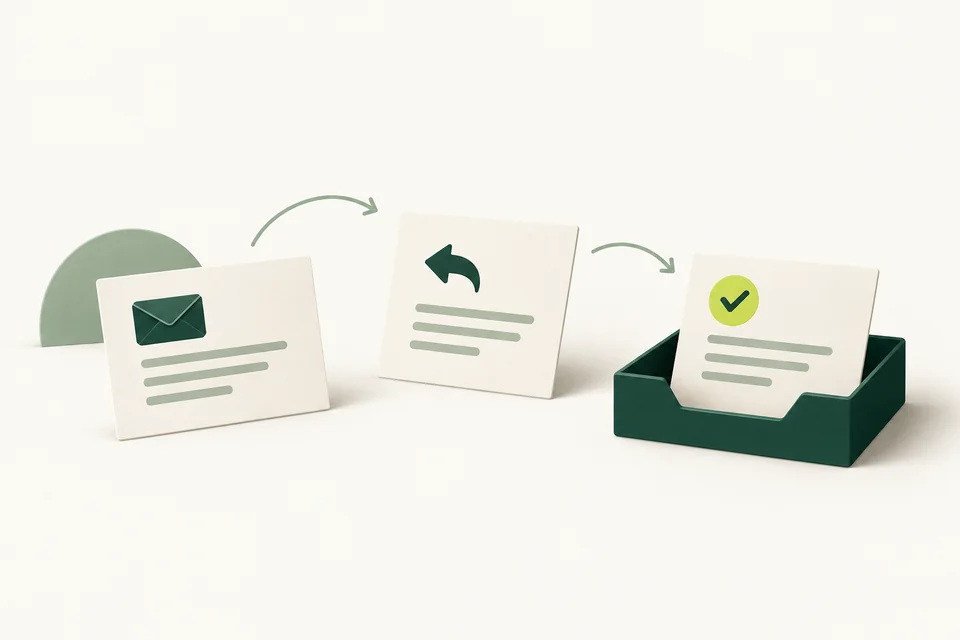
A quote follow-up should make the next step easy. Identify the work, ask one clear question and give the customer a simple way to reply. Keep it short enough to understand without reopening the full proposal.
Use the free quote follow-up builder to personalise the messages below. It creates drafts you can copy or download. It does not send email or connect to a customer account.
Check the record first
Confirm which quote was sent, when it was sent and whether the customer has already replied elsewhere. Check scope and price validity. If a colleague has spoken to the customer, update the record before sending another reminder.
Use the communication channel agreed with the customer. An existing quote conversation and an unrelated promotional campaign are different workflows. These templates do not establish permissions for automated messaging.
First message: do they have what they need?
The first follow-up can simply invite questions. It does not need a discount or a claim that your schedule is filling up.
Subject: Your garden clearance quote — Q42
Hi Lee,
Have you had a chance to look at our quote for the garden clearance? If anything about the scope or next step is unclear, reply here and we can help.
Thanks, Your business
Replace the illustrative service and reference with the actual details. Reply in the original email thread when useful, so the quotation is easy to find. Avoid sensitive information in subject lines.
Second message: has the timing changed?
A later follow-up can ask about the customer’s plan rather than repeat the first message.
Subject: A question about the garden clearance
Hi Lee,
Are you still planning the garden clearance, or has the timing changed? Let us know if you would like to discuss the quoted work. We will check current availability before confirming a date.
Thanks, Your business
The final sentence keeps the booking status clear. Interest in a quotation is not the same as a confirmed appointment. Confirmation should be a separate, explicit step.
Final message: close the loop politely
Leave the door open without creating an indefinite reminder sequence.
Subject: Shall we leave this with you?
Hi Lee,
We will leave the quote with you for now. If you decide to revisit the garden clearance, reply and we can check the scope, price validity and availability at that point.
Thanks, Your business
Afterward, record the enquiry status and stop the sequence unless there is a new reason to contact them. If the customer declines or asks you to stop earlier, respect that immediately.
How long should you wait?
Start with any timeframe agreed when sending the quote. If the customer said they would decide next Friday, an earlier reminder may not help.
If nothing was agreed, a check-in after two business days, another around a week later and a final note if useful is one possible starting cadence. This is a suggested workflow, not a proven optimum or a promise of more bookings. A same-day repair and a large planned installation may require different treatment.
Put the next action in your enquiry record instead of relying on memory. Adjust the timing using actual replies and customer feedback.
If the customer says the price is too high
Clarify the objection before changing the quote. Are they comparing the same scope? Has their timing changed? Is there a fixed budget? Explain what is included and discuss genuine options if available.
Do not silently remove work or lower the price without understanding your costs. The call-out fee calculator illustrates the relationship between cost and margin for a minimum visit; larger jobs need their own scope and cost assessment.
Give every reply an owner
“Customer interested” is less useful than “office to check Wednesday availability and confirm scope”. An enquiry checklist can help if those details are regularly missing.
Explore the Chabar Systems AI receptionist if covering the first conversation is difficult while you work. Automated quote follow-up would be a separate implementation scope, not a feature supplied by this drafting tool.
Further reading
Jobber’s quote follow-up guide provides a vendor perspective. The messages here are original drafts; the example cadence is not presented as measured conversion evidence.